
After our browser comparison on July 3, plenty of you wrote in – in English and German – with the same request: “What about this browser? And that one?” It turns out there are an astonishing number of them.
You asked for more browsers – here’s the intriguing question underneath: who actually makes money off them?
The Friday Chat

Few pieces of software are as taken for granted as the browser. It’s the gateway to the internet – and at the same time one of the programs we think about the least. Most people just use whatever came preinstalled.
But is that really a good choice? And what actually sets Chrome, Firefox, Edge and Brave apart from each other – beyond the marketing promises?

Will, power of attorney, living will – many of us have our most important affairs in order. But one question almost always gets overlooked: what actually happens to my digital accounts when I’m gone?
The answer is sobering: most digital accounts don’t disappear. They keep running – at your loved ones’ expense.
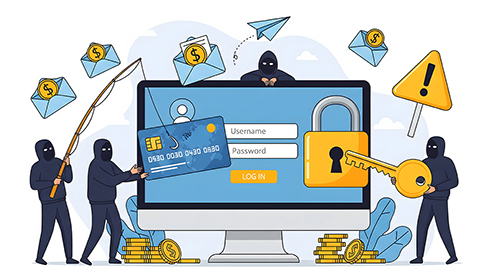
Every few weeks, another headline pops up: millions of customer records stolen, passwords dumped on the dark web, data breach at yet another major service. You read it, think “hopefully that doesn’t involve me” – and keep scrolling.
But what if it already does?
The Friday Chat

Over 90 percent of all searches worldwide go through Google. When someone says they’ll “Google it,” they simply mean: search the internet. But frustration is growing – about ads, tracking and the question of what Google does with our data. So why not just switch?
It’s not that simple, unfortunately. The problem runs deeper than most “Google alternatives” lists let on.