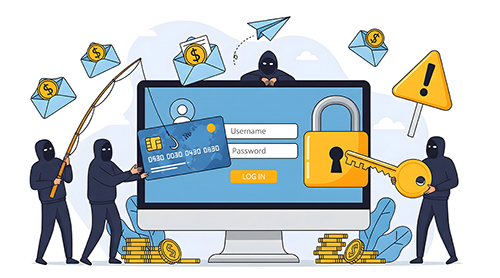
Every few weeks, another headline pops up: millions of customer records stolen, passwords dumped on the dark web, data breach at yet another major service. You read it, think “hopefully that doesn’t involve me” – and keep scrolling.
But what if it already does?
The Friday Chat
Over 90 percent of all searches worldwide go through Google. When someone says they’ll “Google it,” they simply mean: search the internet. But frustration is growing – about ads, tracking and the question of what Google does with our data. So why not just switch?
It’s not that simple, unfortunately. The problem runs deeper than most “Google alternatives” lists let on.

You’re sitting in a coffee shop, opening your laptop, tapping “Free Wi-Fi” – and you hesitate for a second. Is that safe? Is someone watching? Could a hacker on the same network drain your bank account?
The answer is less dramatic than many security guides suggest – but there’s a catch.

Vacation at last. Bags packed, excitement building – and then the question: what’s my phone going to cost me abroad? If you’re traveling within your home country, it’s a non-issue. But the moment you cross a border – whether it’s a Caribbean cruise from the US, a road trip from Germany to Turkey, or a flight from London to Bangkok – things can get complicated fast.
International roaming charges can still blindside you in 2026. And even in places where you think you’re covered, there are traps almost nobody sees coming.
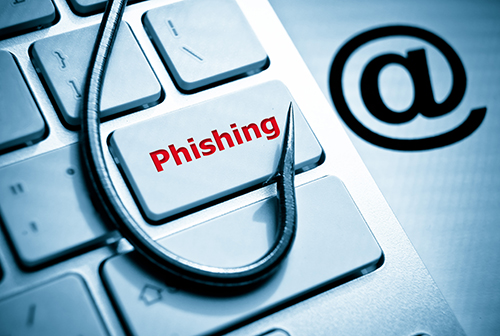
Just last week, a friend of mine opened an email from his “bank,” clicked a link – and within minutes his login credentials were in someone else’s hands. He’s no gullible person. He’s an IT consultant. The emails are just getting that good. It’s high time we take a close look at how to reliably spot trojans and phishing attempts – and what to do if you fall for one anyway.